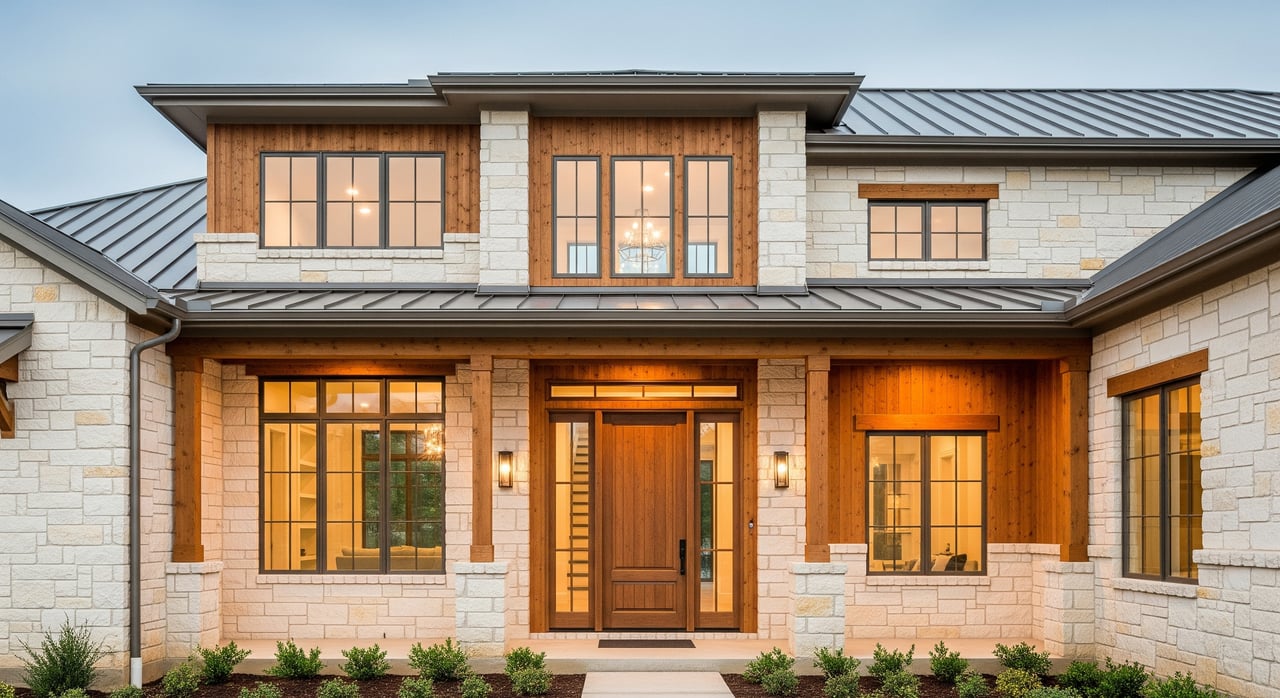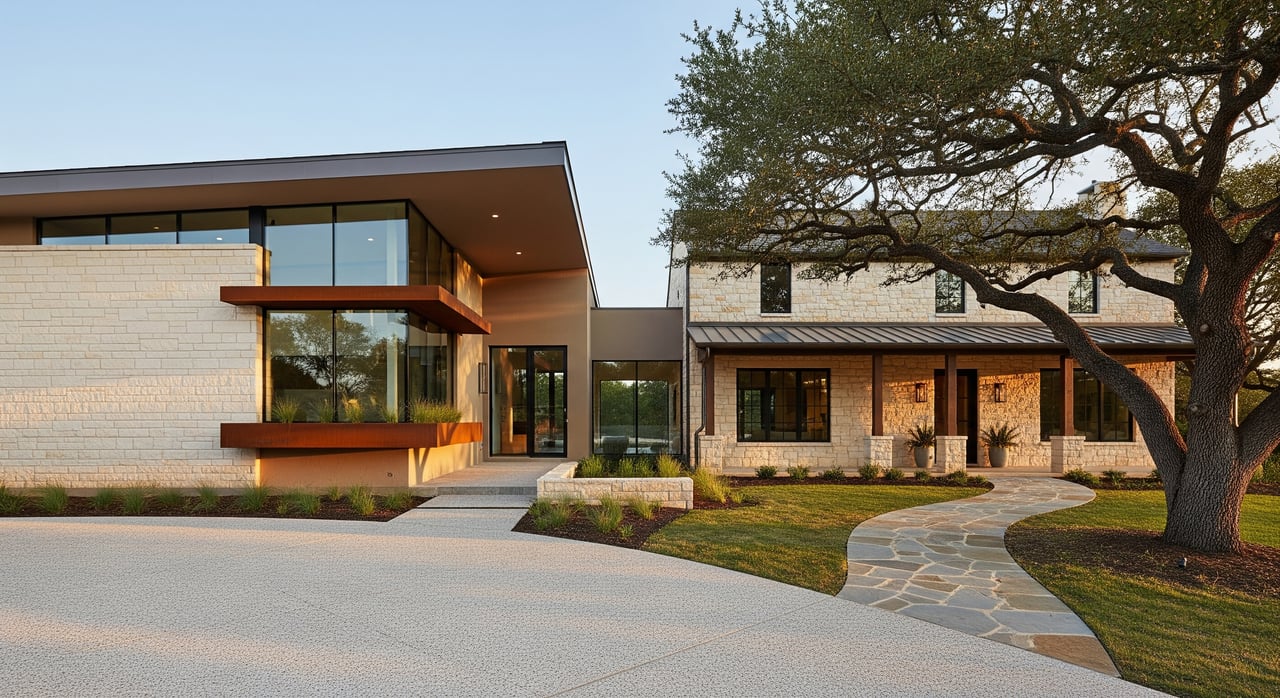
Are you torn between the shine of a brand-new build and the character of a resale home in Leander? You want the right home, the right timeline, and a payment you can live with long term. In this guide, you will see how new construction and resale compare on total cost, timelines, incentives, warranties, inspections, and MUD or PID assessments common in Leander. By the end, you will know what to watch for and how to protect your purchase. Let’s dive in.
Quick comparison: new vs resale in Leander
New construction gives you control over floor plan, finishes, and energy-efficient systems. It often requires more time, especially if you build to order. Resale homes offer faster move-in and a more predictable closing but fewer options to customize without renovations.
With new construction, you get modern systems and a builder warranty, yet you can face build delays or punch-list items at closing. With resale, condition is easier to evaluate through inspections and closings are typically shorter and more predictable.
Base prices for new homes can look competitive. The final number often rises with lot premiums, upgrades, and builder fees. Resale can bring near-term repair costs for older systems, yet you might find negotiation room or instant equity if the market is soft.
Builders commonly use preferred lenders and tie incentives to them. Resale follows standard financing and title timelines with more flexibility to shop lenders.
The true total cost in Leander
Thinking beyond sticker price helps you stay on budget. Total cost includes purchase price, closing costs, loan interest, taxes including any MUD or PID, HOA dues, utilities, insurance, and ongoing maintenance. Here is how each path tends to differ.
Purchase price vs delivered cost
New construction base prices usually exclude many finish upgrades. Cabinets, flooring, lighting, built-ins, landscaping, and window treatments often add up fast. Lot premiums for corner lots, view lots, or larger lots can range from thousands to tens of thousands.
Options and structural changes can add 5 to 20 percent or more to the base price. Resale pricing is usually all-in for the home as it sits, though you may budget for improvements based on age and condition.
Closing costs and builder fees
Builders may contribute to your closing costs or buy down your rate. These offers are usually tied to using the preferred lender or title company. Some utility connection or impact fees can show up at closing on new builds.
On resale, closing costs are negotiated, and you can choose your lender and title provider. You can ask for seller contributions depending on market conditions.
Property taxes, MUDs, and PIDs
In Leander, your tax bill can include city, county, and school district, plus a MUD or PID if the home sits inside a special district. MUDs are common in newer subdivisions and fund infrastructure through bond debt repaid by district taxes. PIDs fund public improvements and show up as assessments.
These charges can be a significant recurring cost. They directly affect your monthly payment and long-term affordability. Always verify the exact district status and current assessments for the specific home or lot.
HOA dues, utilities, and insurance
Many Leander communities include HOA dues for amenities and common-area upkeep. Some builders establish property owners associations with startup fees. Verify documents and any special assessments before you sign.
Insurance can be lower for a new build at first due to newer systems. Get quotes early. For flood risk, review elevation certificates and your lender’s requirements. Confirm when builder’s risk coverage ends and your homeowner’s policy must begin.
Estimate your monthly payment
- Get the assessed value and district codes from the Williamson County Appraisal District.
- Gather current city, county, school, and MUD or PID rates from the county tax office and the specific district.
- Estimate annual property taxes as assessed value times the combined rates, then divide by 12.
- Add principal and interest from your lender’s quote, plus HOA and homeowner’s insurance.
- Ask your lender to run a full PITI comparison for both new construction and resale.
Timelines and how long it takes
Resale timeline
Most resale transactions close in about 30 to 45 days. You complete inspections during the option or contingency period, negotiate repairs or credits, and move to closing with lender and title milestones.
New construction timelines in Leander
There are two paths. Inventory or spec homes can close on a timeline similar to resale once they are complete. Build-to-order homes can range from about 90 days for quick-move product to 6 to 10 months for more customized homes.
Completion targets are usually estimates, not guarantees. Weather, permits, subcontractor availability, and material lead times can affect delivery. Ask for a documented completion window and what happens if the home is not ready in time.
What causes delays and how to plan
Common delays include supply chain issues, utility connections, grading, and specialty materials like windows or appliances. If you must sell a current home, align dates or consider a backup plan. A clear written process for notices and walk-through scheduling helps you stay on track.
Builder incentives: how to compare
Builders in the area often offer closing cost credits, rate buy-downs, upgrade packages, or lot premium reductions. Some incentives apply only to certain inventory homes or contract dates. Most are tied to using the builder’s lender or title company.
Quantify the full value of any incentive. Compare the builder’s lender offer to independent lender quotes. Make sure all incentives are written into the contract and applied to clear line items.
Large concessions can interact with appraisals. Discuss how the structure of incentives may affect appraisal risk. Ask whether any incentives change if closing dates shift.
Warranties and inspections you still need
Typical builder warranty coverage
Many production builders provide a 1-year workmanship and materials warranty. Mechanical systems are often covered for 2 years. A limited structural warranty may extend to 10 years, sometimes administered by a third party.
Confirm what is included and what is excluded. Learn how to file claims, time limits, and whether you must register manufacturer warranties on appliances and systems. Ask about transferability if you sell.
Resale inspections you should expect
Schedule a general home inspection with a licensed professional. Based on findings, you may order specialist inspections for roof, HVAC, foundation, or termites. Use the option period to negotiate repairs or credits.
New construction inspections to schedule
Plan three checkpoints. Pre-construction reviews help confirm plans and allowances. A pre-drywall inspection catches framing, mechanical, plumbing, and electrical issues before walls are closed. A final inspection near completion and a detailed punch list ensure items are addressed before closing.
Independent third-party inspections provide a layer of protection. Builder walk-throughs are useful but do not replace an independent inspection.
Contract limits on inspections
Builder contracts can limit inspection remedies or include language about accepting completed work as-is. Review these terms carefully. Make sure your right to pre-drywall and final inspections is written into the agreement.
MUDs and PIDs in Leander: must-know details
A Municipal Utility District funds infrastructure like water, sewer, and drainage through bonds repaid by taxes within the district. A Public Improvement District funds public improvements and collects assessments. Newer subdivisions often use one of these tools in growth areas.
The impact is real. Assessments can persist for decades and raise your annual tax bill. This affects monthly payments and future resale.
What to verify for any property
- Whether the property is inside a MUD or PID boundary.
- The current MUD or PID rate, any bond schedule, and rate history.
- Any special assessments, connection fees, or planned annexations that could change costs.
- Whether the seller or builder is providing a credit and if it is temporary.
- How MUD or PID status affects comparables and marketing when you eventually sell.
Where to confirm information
Check the Williamson County Appraisal District for parcel and district codes. Confirm tax levies with the county tax office. Review the district’s website or board materials for bond debt, rate history, and budgets. Ask your title company or a real estate attorney to confirm any special assessments before you sign.
How to measure the effect on affordability
Collect the current MUD or PID rate and the combined city, county, and school rates. Multiply by the assessed value to estimate annual taxes. Divide by 12 for the monthly portion, then add principal and interest, HOA, and insurance. This shows how a district changes the payment side by side.
How your agent protects you
Before you sign
Your agent can help you compare lots, incentives, and build calendars across communities. Target lots with fewer grading or stormwater challenges and understand the premium. Request a written completion window and how delays will be handled.
Contract protections and negotiation
Push for inspection rights at pre-drywall and final stages and a documented punch-list process. Ask for deposits to be held in escrow and define when they are refundable. Get all incentives and credits in writing and confirm any conditions tied to lender or title.
Include financing contingencies and clarify what happens if appraisal comes in low on a fully upgraded price. Identify the warranty provider and how claims are handled in addenda.
Upgrades and allowances strategy
Turn vague allowances into specific line items. Request pricing for individual options so you can decide what to do now versus after closing. If a builder will not lower base price, negotiate a reduced lot premium or targeted upgrade credit that fits your needs.
Timeline and rate risk
If you must sell your current home, align dates or negotiate contingencies. Discuss rate-lock strategies with your lender and ask the builder if they will extend a buy-down if completion slips. Clarify how completion notices and walk-throughs will be scheduled.
After closing and enforcement
Submit warranty claims in writing and keep photos and dates. Follow the warranty administrator’s process for escalation. For punch-list items, document agreements and timelines, and avoid final acceptance on incomplete items if your contract allows.
Buyer checklist for Leander
- Pre-contract
- Confirm if the lot is inside a MUD or PID and gather current rates and bond info.
- Get a written completion window and every incentive in writing.
- Request itemized structural options, finish allowances, and price lists.
- During construction
- Book independent inspections, including pre-drywall.
- Keep a build log with dated photos and notes.
- Collect appliance and system warranty details and registration steps.
- Prior to closing
- Conduct a final independent inspection and a builder walk-through.
- Get a dated punch list with due dates for fixes.
- Verify tax status, MUD or PID assessments, HOA documents, and incentives on the closing statement.
- Confirm certificate of occupancy and utility account transfers.
- After closing
- Register all warranties and store documents securely.
- Submit any warranty claims promptly and track responses.
Buying new or resale in Leander can both be smart moves. The key is to price the full cost, verify any MUD or PID, protect your timeline, and write clear inspection and warranty terms into the contract. If you want a local advocate who can compare options side by side and negotiate upgrades and incentives with your goals in mind, reach out to Pablo Nieto for a straightforward plan.
FAQs
What is the typical build time for new construction in Leander?
- Inventory homes can close on a resale-like timeline, while build-to-order homes often run from about 90 days to 6 to 10 months depending on product and scope.
How do MUD or PID assessments affect my payment in Leander?
- They increase your annual tax bill and monthly escrow, so multiply the assessed value by the combined tax and assessment rates to see the impact on your monthly budget.
Are builder incentives in Leander worth it compared to outside lenders?
- Sometimes, but you should compare the builder’s credits or rate buy-downs to independent lender quotes and make sure all terms are written into the contract.
Do I still need inspections on a brand-new home in Leander?
- Yes, schedule independent pre-drywall and final inspections, then do a detailed punch-list walk-through to catch issues before you close.
How fast can I close on a resale home in Leander?
- Many resale transactions close in about 30 to 45 days, subject to inspections, lending, title work, and any negotiated repairs.